A New Indie Phenomenon Emerges in Vietnam
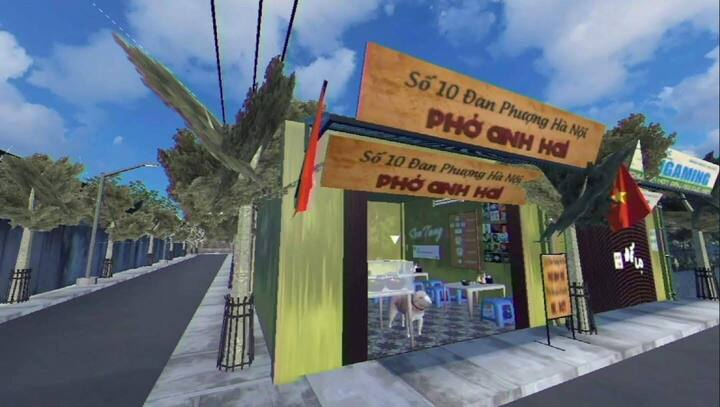
More than a decade after Flappy Bird captured global attention, another Vietnamese indie game is taking both local and international gaming communities by surprise. Quán Phở Của Anh Hai, known in English as Brother Hai’s Restaurant, has exploded across social media, becoming one of the most searched terms online. Even its fictional in-game address – 10 Đan Phượng Street – has sparked widespread curiosity among players eager to explore the quirky virtual world.
The game was created by a 22-year-old student from Hanoi University of Science and Technology and developed independently without a major budget. Despite its simplicity, Brother Hai’s Restaurant has achieved extraordinary popularity for its humor, charm, and deeply authentic portrayal of everyday Vietnamese life.
A Slice of Vietnamese Culture in Game Form
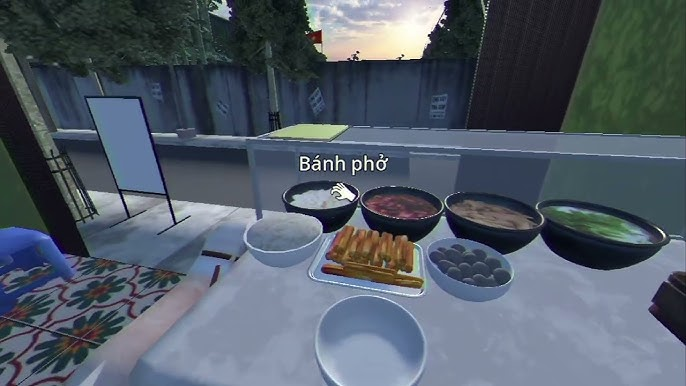
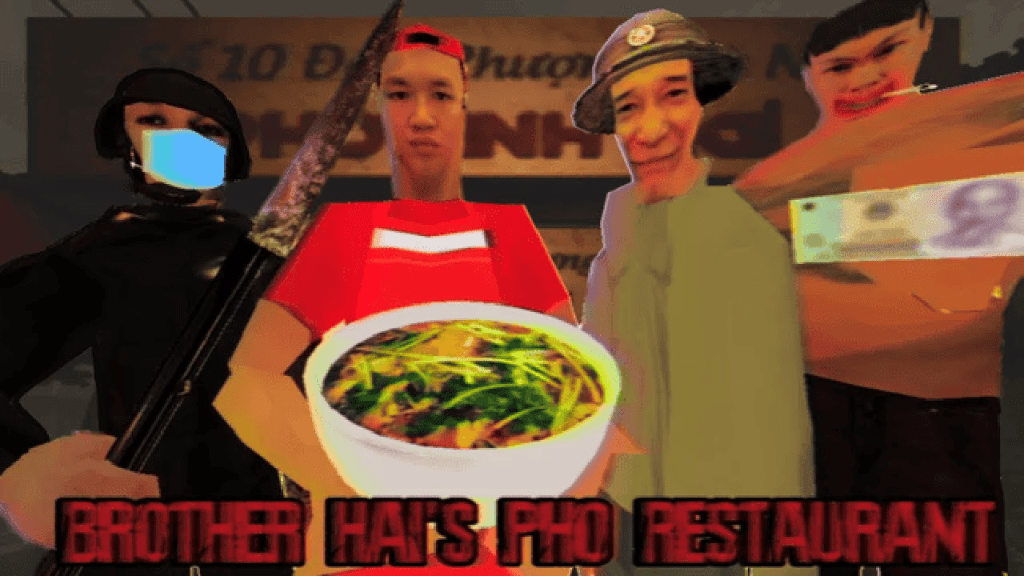
Players take on the role of Brother Hai, an ambitious man trying to open his first phở restaurant in a quiet suburban village. At first glance, the gameplay seems straightforward: serve steaming bowls of phở, meet customer demands, and keep the restaurant running smoothly.
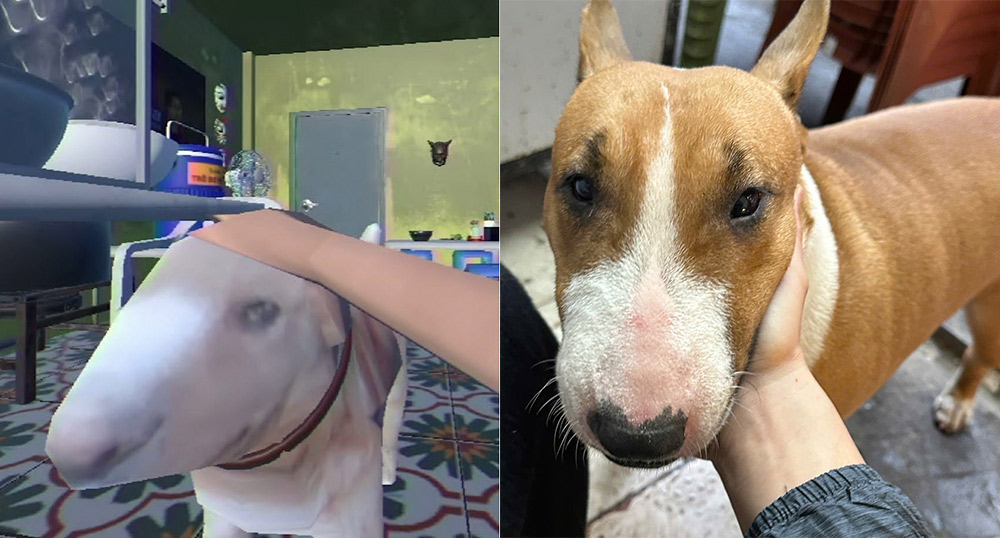
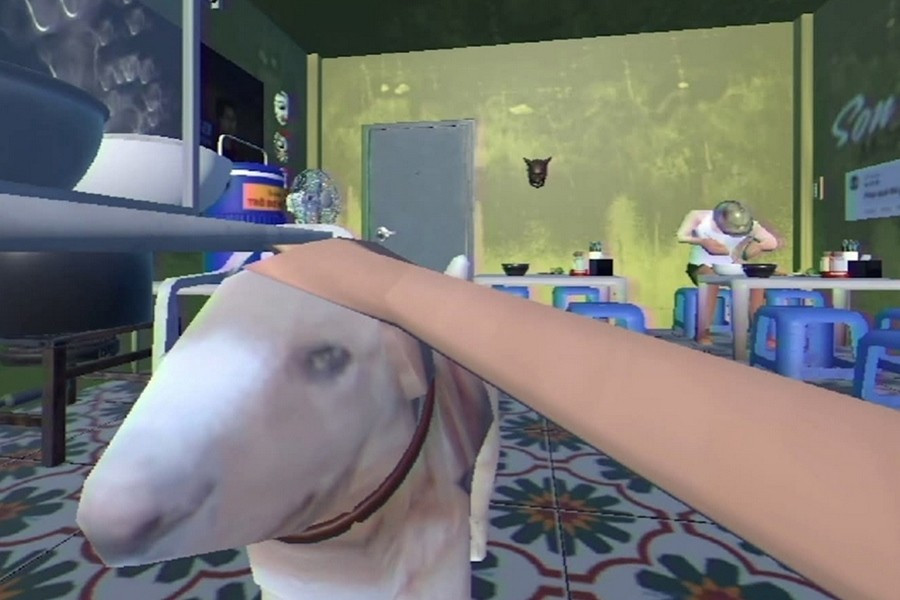
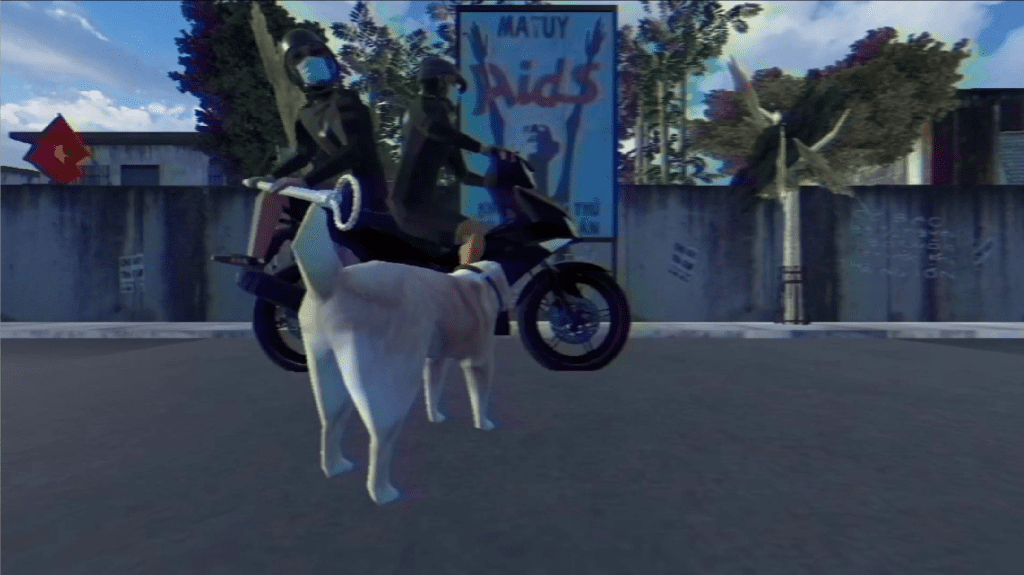
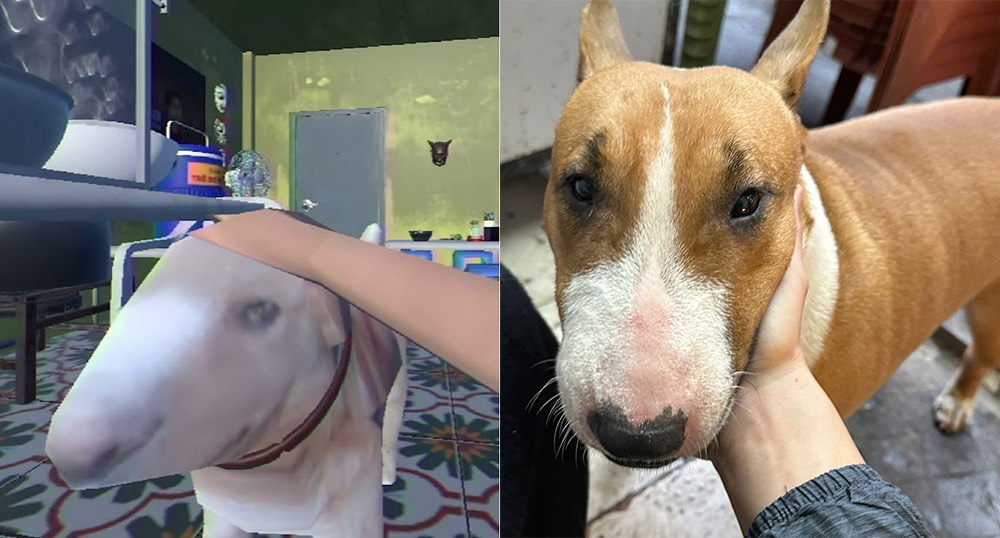
But as the game unfolds, its quirky surprises begin to surface. Players must deal with Brother Hai’s mischievous dog Cậu Vàng (aka Mr.Gold), who frequently escapes; quirky, unpredictable customers; and even dramatic cinematic-style action sequences. These challenges inject humor and unexpected twists that keep players engaged.
Multiple Endings and Surprising Depth
One of the game’s standout features is its four different endings, each determined by the player’s in-game choices. This branching narrative encourages replayability, as players experiment with different paths to unlock new storylines.
Though simple in design, the game blends humor, challenge, and warm cultural familiarity, an experience that resonates deeply with players across generations.
Immersive Vietnamese Aesthetics Drive the Hype
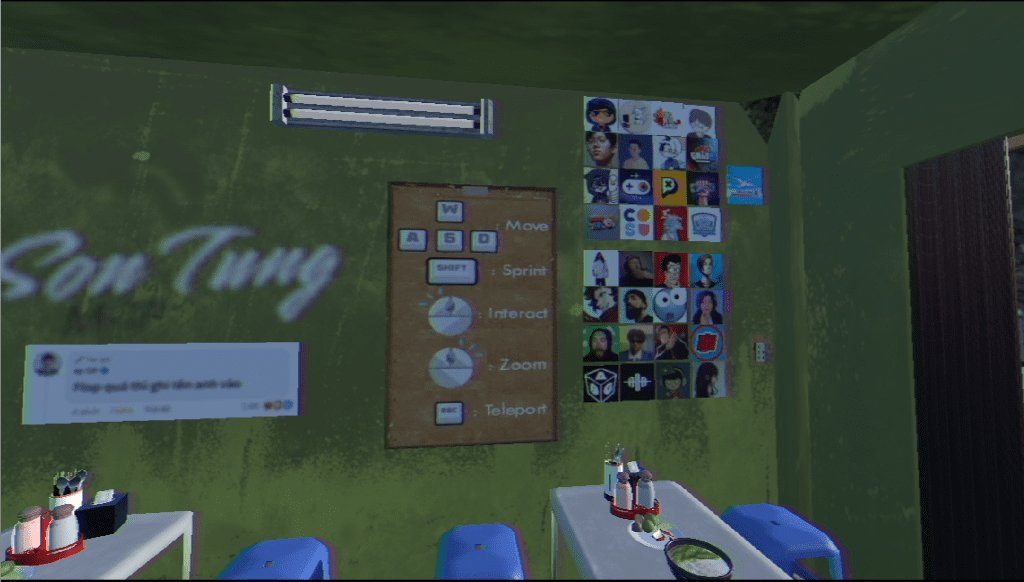
What truly sets Brother Hai’s Restaurant apart is its meticulous attention to Vietnamese cultural details. From the green plastic stools to jars of chopsticks, from hand-painted red signs to nostalgia-inducing anti-drug posters, every element evokes the familiar setting of a traditional phở stall.
Players often share that the game’s power lies not in flashy graphics but in its relatable atmosphere.
“It creates a ripple effect because it evokes memories for so many people,” one player wrote.
A Viral Sensation in Days
Within only a few days of its release, the game reached:
- 650,000 downloads
- Nearly 1 million views across platforms
Social media erupted with screenshots, fan art, memes, and even attempts by users to locate the fictional restaurant in real life. Many searched Google Maps and food delivery apps, mistakenly believing Brother Hai’s shop existed.
Real-World Confusion: Ride-Hailing Apps Respond
The viral curiosity spilled into ride-hailing apps. On October 3, one major company reported an enormous spike in searches for Phở Anh Hai and Số 10 Đan Phượng. The phenomenon was so widespread that the company had to issue a public clarification confirming that the restaurant was entirely fictional.
A Humble Developer and a Simple Dream
The game’s creator, who prefers to remain anonymous, expressed shock at its rapid success.
“I never imagined the game would become this popular. I am incredibly happy,” he told local media.
He explained that the project emerged from a desire to capture Vietnamese cultural identity in game form. With no funding, he relied on free resources from the internet, modifying them himself. The game was released completely free, making it accessible to all.
He also intentionally incorporated popular memes and Gen Z humor:
“I created the game for entertainment. Memes and trends helped make it relatable, especially for younger players.”
Why the Game Resonates So Strongly
Unlike modern mobile games that rely heavily on high-end graphics or microtransactions, Brother Hai’s Restaurant succeeds because of:
- Cultural authenticity
- Simple yet satisfying gameplay
- Emotional storytelling
- Humor and relatable challenges
- A strong social media community
Players share strategies, compare endings, design fan art, and celebrate every amusing mishap involving Cậu Vàng and eccentric customers. What began as a small project has grown into a shared cultural moment, highlighting the power of indie games to bring people together.
A Triumph of Creativity and Cultural Pride
Just as Flappy Bird proved the global potential of Vietnamese indie developers twelve years ago, Brother Hai’s Restaurant shows that heart, humor, and authenticity can resonate just as powerfully as technical sophistication.
Its success is not just about downloads or views, it’s a celebration of Vietnamese culture and the creativity of a young developer who transformed everyday life into an unforgettable virtual experience.
With hundreds of thousands of players exploring Brother Hai’s small but vibrant world, one thing has become clear:
Vietnam’s indie gaming spirit is alive, thriving, and ready to surprise the world again.